
Congratulations on your new dental crown! A crown is a custom-made cap that protects a damaged tooth, restoring its strength, function, and appearance. It’s a significant investment in your oral health, and you’ll want it to last for as long as possible.
With proper care, your new dental crown in Palmdale can serve you well for many years. Think of this guide as your owner’s manual for crown care. We’ll walk you through simple, everyday habits that will protect your crown and keep your smile healthy and confident.
Your Guide to a Long-Lasting Dental Crown
Your Daily Cleaning Routine: The Foundation of Crown Care
Caring for a crowned tooth isn’t very different from caring for your natural teeth, but a little extra attention goes a long way. Follow these tips:
- Brush Gently and Thoroughly: Use a soft-bristled toothbrush with fluoride toothpaste and brush at least twice a day. Be sure to brush all around the crown, paying special attention to where it meets your gum. This prevents plaque from building up at the seam, which is the most vulnerable spot for decay.
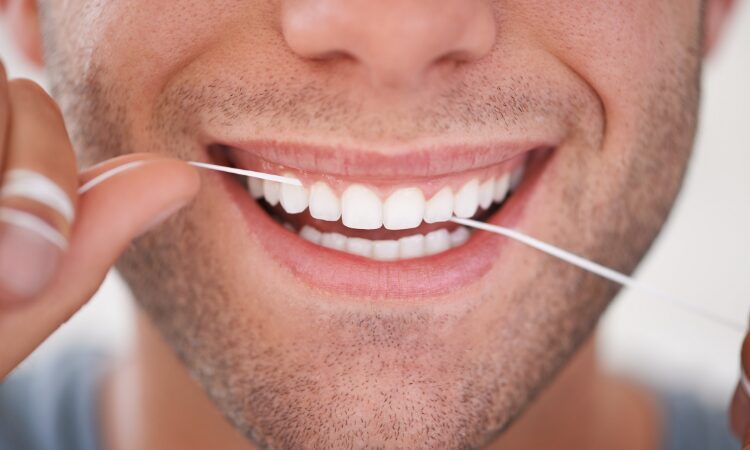
- Don’t Skip the Floss: Flossing is non-negotiable for crown health. It removes food particles and plaque from between your teeth and around the base of the crown. If you find it tricky to get the floss under the crown’s edge, ask your dentist about a floss threader or a water flosser. These tools can make cleaning much easier and more effective.
Smart Eating Habits to Protect Your Investment
You can eat normally with a crown, but being mindful of a few things can prevent accidents.
- Beware of Hard Foods: Your crown is strong, but it’s not indestructible. Avoid using your crowned tooth to bite down on hard objects like ice, nut shells, hard candies, or popcorn kernels. This can prevent the porcelain from chipping or cracking.
- Go Easy on Sticky Foods: Very sticky foods like caramel, taffy, and chewy candy can act like glue. When you bite and pull, you can create a suction force strong enough to loosen or even pull the crown off over time.
- Limit Sugary Drinks and Snacks: While the crown itself can’t get a cavity, the tooth underneath it still can. The gumline is still vulnerable. Limiting sugar intake helps protect the natural tooth structure that supports your crown.
The Importance of Your Regular Dental Visits
Seeing your dentist every six months is one of the most important things you can do for your crown. At these appointments, your dentist will:
- Check the Crown’s Fit: They will examine the crown to make sure it’s still securely attached and that your bite feels right.
- Look for Wear and Tear: Your dentist can spot tiny chips, cracks, or signs of wear that you might not yet feel or see.
- Perform a Professional Cleaning: A hygienist can clean thoroughly around and under the crown’s edges. They’ll remove hardened tartar you can’t remove with brushing and flossing alone.
What to Do If Something Feels Wrong
It’s normal to have a little sensitivity to hot and cold for a week or two after a crown is placed. However, you should contact your dentist if you experience:
- Persistent Sensitivity: If sensitivity doesn’t go away after a few weeks, it could mean the nerve needs more time to calm down. It could also mean that there’s another issue.
- A Strange Feeling When You Bite: If your bite feels “off” or the crown feels high when you close your teeth, your dentist can easily adjust it for a better fit.
- A Loose Crown: If your crown feels wobbly or loose, call your dentist right away. A loose crown can let bacteria get underneath, leading to decay in the underlying tooth. Avoid chewing on that side until you can see your dentist.
- The Crown Falls Out: If the crown comes off, don’t panic! Keep it safe in a container and call your dentist immediately to have it re-cemented. Do not try to glue it back on yourself, because this can cause irreversible damage.
Extra Protection for Specific Situations
- For the Athletes: If you play sports, especially contact sports like basketball or football, a mouthguard is important. A custom-fitted mouthguard from your dentist offers the best protection for your crown and all your other teeth from impact.
- For the Nighttime Grinders: If you clench or grind your teeth at night, you’re putting extra force on your crown. A custom night guard acts as a protective cushion, absorbing the pressure and preventing your crown from wearing down or cracking while you sleep.
How Long Will My Crown Last?
With excellent care, a high-quality dental crown can last between 10 and 15 years, and maybe even longer. Its lifespan depends on your oral hygiene, your diet, and the wear and tear it endures over time. Your dentist will monitor its condition at your check-ups and let you know when it might be time for a replacement.
At Premier Dental Care in Palmdale and Lancaster, CA, we’re committed to helping you build a healthy smile. If you have questions about caring for your crown or notice anything unusual, please don’t hesitate to call us. We’re here to help your restoration last and to keep you feeling confident and comfortable. Contact one of our offices today to schedule your next check-up.