
Sedation dentistry has made it possible for many people to receive the dental care they need without the stress or anxiety that can often accompany a visit to the dentist. Whether you underwent a routine cleaning, a restorative procedure, or oral surgery, sedation could make the experience more comfortable and manageable. However, the period after your appointment is just as important as the procedure itself. Proper aftercare better ensures a smooth recovery, helps avoid complications, and allows the sedative to leave your system safely.
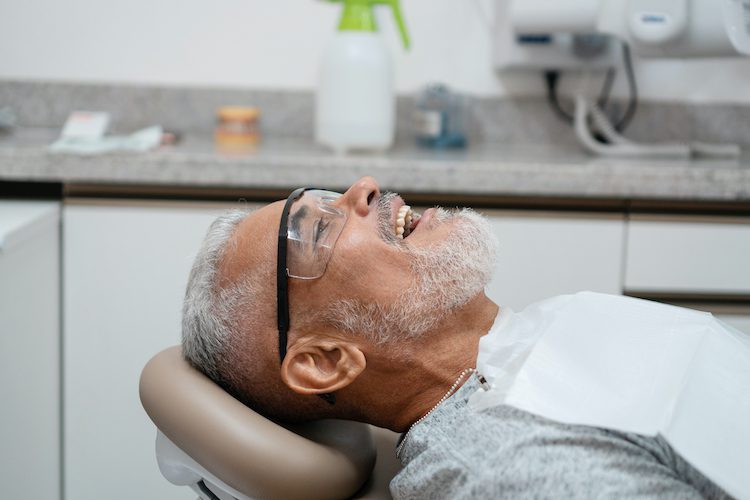
Understanding the Recovery Process
After sedation dentistry, it’s normal to feel a little drowsy or disoriented as the sedative wears off. The duration and intensity of these effects depend on the type and dosage of sedation used, as well as your individual metabolism and the length of your dental procedure. You may also experience temporary side effects such as grogginess, dry mouth, or mild nausea.
Because your coordination and judgment may still be impaired for several hours, it’s essential to plan ahead. Arrange for a trusted friend or family member to drive you home and, ideally, stay with you until you are fully alert. Even if you feel fine shortly after leaving the office, it’s best to avoid operating vehicles or machinery, signing important documents, or making major decisions for the rest of the day.
Rest and Hydration
Rest is the most important part of your immediate aftercare. Your body has just experienced both a dental procedure and sedation, and it needs time to recover from both. Spend the rest of the day relaxing at home. Avoid strenuous activity or heavy lifting until the next day or until your dentist gives you the all-clear.
Hydration also plays a key role in recovery. Sedation can sometimes cause mild dehydration, which contributes to fatigue and dizziness. Drink plenty of water to help your body flush the sedative from your system. However, if your dental procedure involved extractions or oral surgery, be cautious about using a straw, as the suction could interfere with healing.
Managing Discomfort and Sensitivity
Once the sedation has worn off, you may notice some tenderness or mild soreness in your mouth, especially if you underwent an invasive treatment. Follow your dentist’s post-procedure instructions carefully. Over-the-counter pain relief, ice packs, or prescribed medication can help manage discomfort.
Be gentle with your mouth for the first 24 hours. Stick to soft foods such as soups, yogurt, smoothies, or mashed potatoes until you feel ready to resume your normal diet. Avoid hot, spicy, or crunchy foods that could irritate sensitive areas or disturb any healing tissue. If you received local anesthesia in addition to sedation, wait until full sensation returns before eating to prevent accidental bites or burns.
Monitoring for Unusual Symptoms
Most patients recover from sedation dentistry without any complications, but it’s always best to stay attentive to your body’s signals. Mild grogginess and slight dizziness are common and should subside within a few hours. However, if you experience prolonged confusion, vomiting, persistent bleeding, or severe pain, contact your dentist right away. These could indicate a reaction to the medication or an issue related to your dental treatment. If you have an underlying medical condition or take prescription medications, your dentist may have provided special instructions for monitoring your recovery. Follow these closely to ensure your safety and comfort.
Caring for Your Smile After Sedation
Once you’ve fully recovered, maintaining your oral health will help ensure that your next visit is even smoother. Continue brushing and flossing gently as soon as your dentist advises it’s safe to do so. If anxiety or fear has kept you from visiting the dentist regularly, sedation dentistry can be a valuable tool to make future treatments more manageable. Discuss your experiences with your dental team. They can adjust your care plan and sedation levels for future appointments to make sure you remain relaxed and comfortable.
Sedation Dentistry in Palmdale, CA
At Premier Dental Care, we understand how debilitating dental anxiety can be. If a fear of the dentist has kept you from good oral health, sedation dentistry could be the answer. Contact our office today to schedule an appointment and learn more about how you could get the treatment you need without the hassle.