
If you’re missing one or more teeth, you’ve likely heard about dental implants. They’re widely considered one of the best and most reliable ways to replace missing teeth. But what exactly are they, and is this treatment a good fit for you? Let’s break it down in simple terms.
Think of a dental implant as a new artificial tooth root. It’s a small, strong titanium post that a dentist surgically places into your jawbone. Once it heals, it acts like the foundation for a new, natural-looking crown (the part of the tooth you see). Because it’s anchored in your jaw just like a real tooth root, an implant feels incredibly secure and stable.
Why do people choose implants?
Implants do more than just fill a gap in your smile. They are designed to look, feel, and function like your own teeth. You care for them just like natural teeth with regular brushing and flossing. Unlike some other options, implants don’t require special adhesives or removal for cleaning.
One of their biggest benefits is that they protect your jawbone. When you lose a tooth, the bone underneath can start to shrink away over time. An implant mimics a natural root, providing the stimulation your jaw needs to stay strong and healthy. They are also incredibly versatile and can be used to support a single crown, a bridge to replace several teeth, or even to secure a full denture firmly in place.
Who Is a Good Candidate for Dental Implants?
The great news is that most adults in good general health can be candidates for dental implants. However, not everyone automatically qualifies. Your dentist will need to check a few key things to make sure implants are a safe and successful option for you.
A successful implant needs a solid foundation, just like a house needs strong soil. Here’s what your dentist will look at:
- Healthy Gums: You need to be free from active gum disease (periodontitis). This infection can weaken the bone and tissues that must support the implant. Any existing gum disease must be treated and controlled first.
- Enough Jawbone: The implant post needs enough bone to anchor into securely. If you’ve been missing a tooth for a long time, some bone loss may have already occurred. Don’t worry, this doesn’t always mean you can’t get an implant. Procedures like a “bone graft” can often rebuild the area to create a suitable foundation.
- Good Overall Health: Certain uncontrolled health conditions, like diabetes or heart disease, and habits like heavy smoking can affect how well your bone heals around the implant. It’s very important to discuss your full health history with your dentist.
- Commitment to Oral Hygiene: While implants can’t get cavities, the gums around them can become infected. Being committed to excellent daily care and regular dental visits is crucial for the long-term success of your implant.
Dental Implant FAQs: Your Questions Answered
Is getting a dental implant painful?
During the procedure, you shouldn’t feel any pain. Your dentist will use a local anesthetic to completely numb the area, and sedation options are often available to help you feel relaxed and comfortable. After the surgery, it’s normal to have some swelling and soreness as you heal, similar to having a tooth removed. This discomfort can usually be managed well with over-the-counter pain relievers like ibuprofen (Advil) or acetaminophen (Tylenol).
Are implants permanent?
Dental implants are designed to be a very long-term, and often lifelong, solution. The titanium post itself is meant to stay in place permanently. It fuses with your jawbone in a process called osseointegration, which creates an incredibly strong foundation. With good care, the implant post should last a lifetime, though the visible crown on top may eventually need to be replaced due to normal wear and tear.
Can dental implants get cavities?
No, they can’t. The crown attached to your implant is made from materials like porcelain or ceramic that do not decay. However, it’s still very important to keep the area clean. While the implant can’t get a cavity, the gums around it can become infected (a condition called peri-implantitis). This is why brushing, flossing, and regular dental checkups remain essential.
Can I replace multiple teeth with implants, or is it only for one tooth?
Absolutely. Implants are incredibly versatile. They can replace a single tooth, several teeth in a row using an implant-supported bridge, or even an entire arch of teeth to secure a full denture. You don’t need one implant for every missing tooth. Your dentist will determine the ideal number of implants needed based on your specific situation and the strength of your jawbone.
How do implants compare to bridges or dentures in terms of cost and value?
It’s true that the initial cost of a dental implant is higher than a bridge or traditional denture. However, implants often provide better long-term value. They are more durable, function more like natural teeth, and can prevent jawbone loss. Bridges and dentures typically have lower upfront costs but may need to be repaired or replaced more often over the years. Think of an implant as a long-term investment in your health, comfort, and smile.
What happens if I don’t have enough bone for a dental implant?
If your jawbone isn’t thick or dense enough, you still may have options. The most common solution is a bone graft. This is a minor procedure where your dentist adds bone material to your jaw to create a stronger foundation for the implant. Once the graft heals (which takes a few months), you can proceed with the implant. In some cases, different types of implants, like “mini implants” or implants placed at an angle, can also be used.
Am I too old to qualify for tooth implants?
Age alone is not a barrier. Many healthy seniors successfully get dental implants. What matters most is your overall health and the health of your gums and jawbone. Conditions like diabetes or osteoporosis need to be well-managed, but they don’t automatically rule you out. Your dentist will help determine if implants are a safe and effective choice for you.
Is there a difference between traditional implants and mini implants?
Yes, there are some key differences:
- Traditional Implants: These are the standard choice. They are larger, provide maximum strength and stability, and are ideal for single teeth or supporting bridges. The process involves multiple appointments over several months.
- Mini Implants: These have a smaller diameter. They are often used to stabilize a lower denture or in areas where bone is limited. The procedure can sometimes be quicker, but they may not be suitable for replacing single back teeth that endure heavy chewing forces. Your dentist will recommend the best type for your needs.
Learn more about our dental implant services:
- All On X
- Benefits of Dental Implants
- Bone Grafting
- Dental Implant Process
- Multiple Dental Implants
- Single Tooth Implants
What does the evaluation involve?
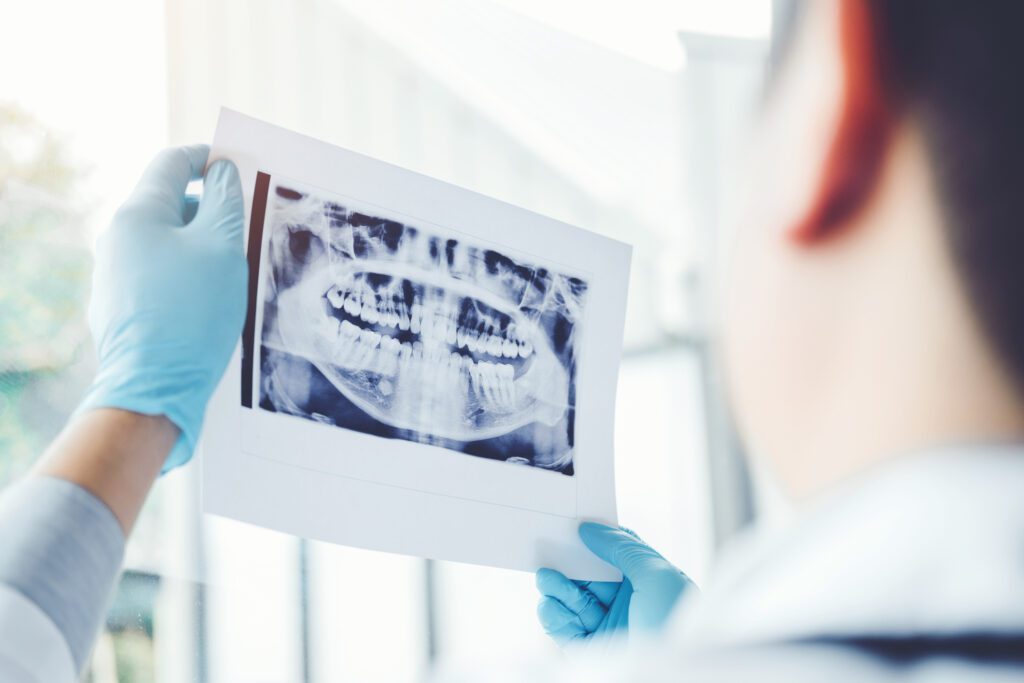
The first step is a thorough consultation. Our implant specialist will examine your mouth and almost certainly take X-rays or a 3D scan. This allows them to see the exact shape and density of your jawbone and plan the perfect placement for the implant. They’ll review your health history and discuss the entire process with you.
The goal is to ensure you have the best possible chance for an implant that lasts for many, many years. If there are any issues like bone loss, your dentist will explain all the options available to prepare your mouth for success.
Ready to find out more? The best way to know if you’re a candidate is to talk to us at Premier Dental Care in Lancaster or Palmdale. We can answer all your questions and help you decide if dental implants are the right path to restoring your smile.