
Losing several teeth can feel overwhelming. It can affect your confidence, your ability to eat the foods you love, and even the shape of your face. If you’re missing multiple teeth, you may have heard about dentures or bridges. But there’s another, more permanent, solution: multiple dental implants.
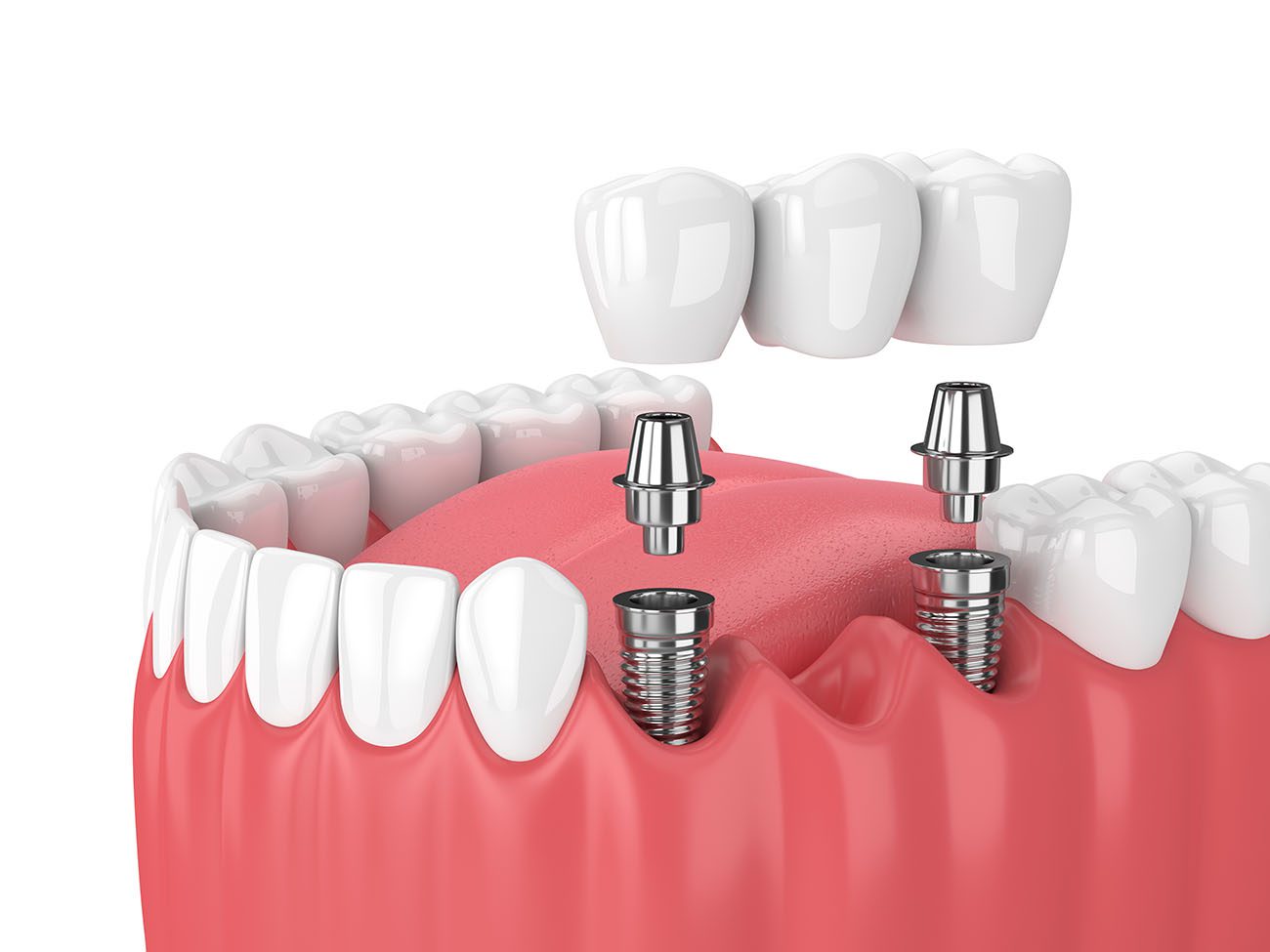
Think of dental implants as sturdy, artificial tooth roots that provide a secure base for replacement teeth. Unlike removable dentures, implants are fixed in place, offering a stable and long-lasting solution that feels and functions much like your natural teeth. Let’s walk through what the process involves and how it can help you reclaim your smile.
A Strong Foundation for Your Smile: Understanding Multiple Dental Implants
Who is a Good Candidate for Multiple Implants?
This treatment is an excellent option for anyone missing several teeth in a row, or even a full arch of teeth. You might be a good candidate if you’ve lost teeth because of:
- Advanced decay or gum disease
- A sudden injury or accident
- Long-term wear and tear
If you’re tired of dentures that slip or click when you talk or eat, implants can provide the stability you’re looking for. They can also prevent the sunken facial appearance that can happen when teeth are missing for a long time.
The Journey to Your New Smile: What to Expect
The process of getting multiple implants is a journey we take together.
1. The Planning Phase: Your Custom Blueprint
It all starts with a thorough consultation. We’ll use 3D scans and X-rays to get a detailed view of your jawbone and oral structures. This allows us to create a precise, custom treatment plan. We’ll determine the perfect number and location for the implant posts, which will act as anchors for your new teeth.
2. The Placement: A Precise Foundation
During a comfortable procedure, the implant posts are gently and precisely placed into your jawbone. Your comfort is our top priority, and we will ensure you are completely numb throughout.
3. The Healing Period: Letting Nature Take Its Course
After placement, a crucial healing period begins. Over the next few months, your jawbone will naturally grow and fuse with the implant posts in a process called osseointegration. This is what makes implants so incredibly strong and stable. They become a part of you. During this time, you may have temporary teeth so you never have to go without a smile.
4. The Final Restoration: Your New Smile is Revealed
Once your implants are fully integrated and strong, we attach your custom-crafted permanent teeth. These can be a fixed bridge or a specialized denture that snaps securely onto the implants. The result is a complete, beautiful, and fully functional smile.
Why Choose Implants? The Lasting Benefits
- Unmatched Stability: Forget about worries of slipping or clicking. Implant-supported teeth stay firmly in place, allowing you to eat, speak, and laugh with confidence.
- Protects Your Jawbone: When teeth are missing, the jawbone beneath can shrink away. Implants mimic natural tooth roots, stimulating the bone and preventing this deterioration, which helps maintain your facial structure.
- A Natural Look and Feel: Your replacement teeth are custom-designed to blend seamlessly with your natural smile, both in color and shape.
- A Truly Long-Term Solution: With proper care, dental implants are designed to last for decades. They’re a wise investment in your long-term health and quality of life.
Important Considerations for Your Treatment
Before starting treatment, we’ll make sure you have a strong foundation. This means having enough healthy jawbone to support the implants. If you’ve experienced some bone loss, don’t worry because we can often rebuild it with a minor procedure called a bone graft.
Your overall health is also important for successful healing. We’ll discuss your health history with you and provide guidance on how habits like smoking can affect the process. While the cost is an investment, we believe the benefits are invaluable.
Frequently Asked Questions
Can I get multiple implants if I’ve been missing teeth for many years?
Yes, you can still get multiple implants even if you’ve been missing teeth for a long time. However, you may have some bone loss, which is common after years without teeth. If so, you may need a bone graft to support the implants. Your dentist will take X-rays or a CT scan to check if you’re a good candidate.
Is the procedure for multiple implants more painful than a single implant?
Not necessarily. The number of implants doesn’t always mean more pain. The procedure is done with local anesthesia or sedation to keep you comfortable. Afterward, you may have more soreness depending on how many implants were placed, but most people manage recovery with over-the-counter pain relief.
Will I be without teeth during the healing process?
No, you don’t have to go without teeth. Your dentist can often place a temporary bridge or denture while the implants heal. These are designed to look natural and restore your smile during recovery. Once the implants are fully integrated, we will perform permanent restoration.
Are multiple dental implants more secure than traditional partial dentures?
Yes, implants are much more secure. They’re fixed in the bone, so they don’t move or shift like partial dentures can. This gives you better chewing function, more confidence when speaking, and a more natural feel overall. Implants also help preserve bone, which dentures can’t do.
Will multiple implants affect how I speak or pronounce certain words?
You might notice slight changes at first, especially if you’re used to missing teeth or wearing a denture. Once you adjust, most people speak more clearly with implants than with removable appliances. Because implants don’t shift in your mouth, they often improve speech long-term.
What types of restorations can be attached to multiple implants?
We can attach implant-supported dentures or bridges. Implant-supported bridges replace several teeth in a row, while implant-supported dentures replace full arches. Your dentist will choose the right type based on how many teeth you’re missing and your bone health. Both options offer stability and a natural look.
Can upper and lower teeth be replaced with implants at the same time?
Yes, both arches can be treated during the same surgical appointment if you’re healthy enough. This can shorten the overall treatment time and make the process more convenient. Your dentist will review your health history and create a treatment plan for your needs.
Caring for Your New Implants
Caring for your implant-supported teeth is similar to caring for your natural teeth. Consistent brushing, flossing, and regular dental check-ups are the keys to their long-term success. We’ll give you all the tools and knowledge you need to keep your new smile healthy and bright for years to come.
At Premier Dental Care in Palmdale and Lancaster, we’re dedicated to helping you achieve a smile that is not only beautiful but also healthy and functional. If you’re considering multiple dental implants, we invite you to take the first step. Contact one of our friendly dental offices today to schedule a consultation. Let’s discuss how we can build a strong, stable foundation for the smile you deserve.